A knockdown rebuild involves two distinct journeys: the demolition of what was, and the construction of what will be. Understanding how these stages sequence, and what's happening at each, helps clients make better decisions, manage their expectations, and enjoy the process rather than merely endure it.
Here are the eight key stages of a knockdown rebuild project in Melbourne, with honest timelines for each.
Stage 1: Planning, Design and Permits (3–18 months)
The first stage is the longest, and the most underestimated. Before a single shovel of earth is turned, your project must be fully designed, engineered, and approved. This includes your architectural and interior design process, structural and civil engineering, energy rating assessment, and the preparation and lodgement of building and planning permit applications.
If a planning permit is required (common in heritage overlays and established suburbs), this stage can take 6–18 months depending on complexity and council responsiveness. Projects that don't require planning permits can move through to a building permit in 3–6 months from design commencement.
Stage 2: Demolition (2–4 weeks)
Once permits are in place and services are disconnected, demolition typically takes 2–4 weeks from mobilisation to site clearance. Asbestos removal (if required) precedes general demolition. The site is levelled and hoarding erected in preparation for the new build.
Stage 3: Site Preparation and Footings (2–4 weeks)
The new build begins with site preparation, setting out the building footprint, excavating for footings, and installing drainage infrastructure. Footing type depends on your soil classification: strip footings, pad footings, or raft slabs are the most common for residential construction in Melbourne. A building inspector visits for the footings inspection before any concrete is poured.
Stage 4: Slab and Frame (4–8 weeks)
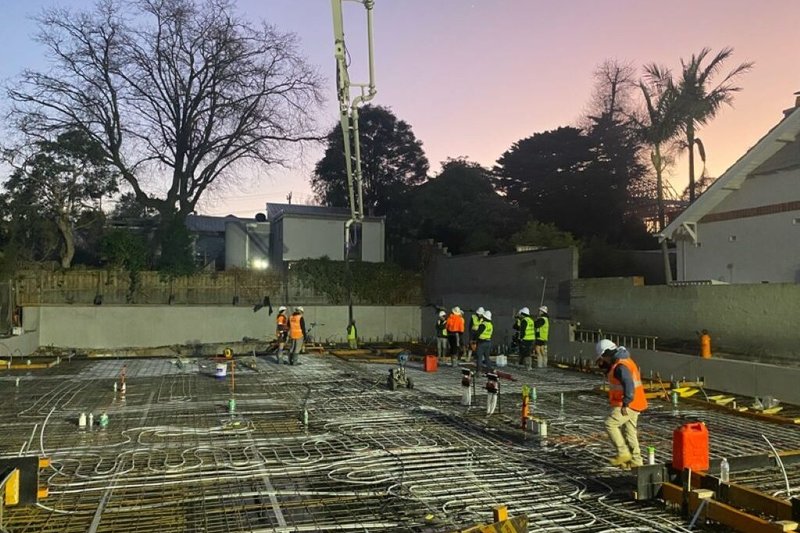
The concrete slab is poured after footings are approved. Once the slab has cured, the frame goes up, either a timber-framed or steel-framed structure depending on the design. Roof trusses or rafters are installed, and the roof cladding commences. A frame inspection is required before any internal linings can begin.
Stage 5: Lockup (4–8 weeks)
Lockup is the milestone when the home is fully enclosed, external walls clad, windows and external doors installed, roof complete. At lockup, the building is weatherproof and the internal trades can begin working without weather interruption. This is also typically the point at which a significant progress payment is due under your building contract.
Stage 6: Fit-Out, Rough-In and Linings (8–14 weeks)
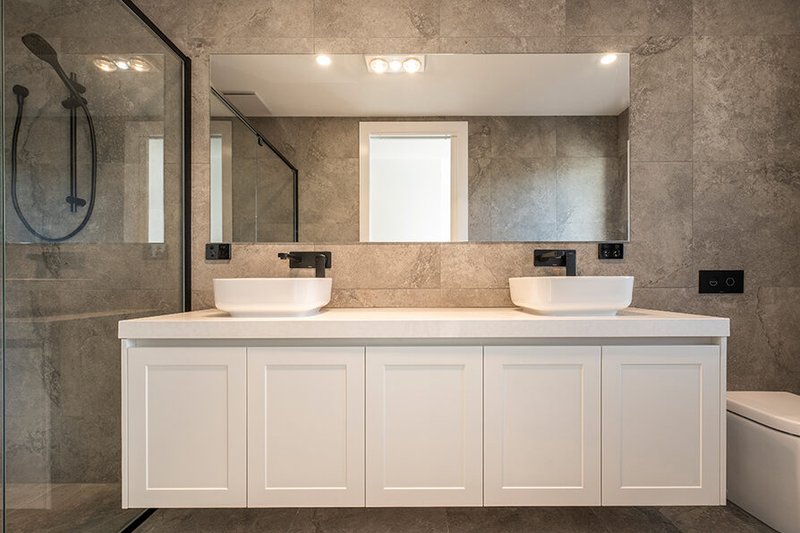
Fit-out begins with the rough-in trades, electricians, plumbers, and HVAC contractors installing their services within the walls and ceiling before lining begins. Insulation is installed. Internal wall linings (plasterboard), ceiling systems, and cornices follow. Tiling in wet areas is completed during this stage. This is the longest and most complex stage, the building is busy with multiple trades working in sequence and parallel.
Stage 7: Fix-Out, Joinery, Finishes, and Fixtures (6–10 weeks)
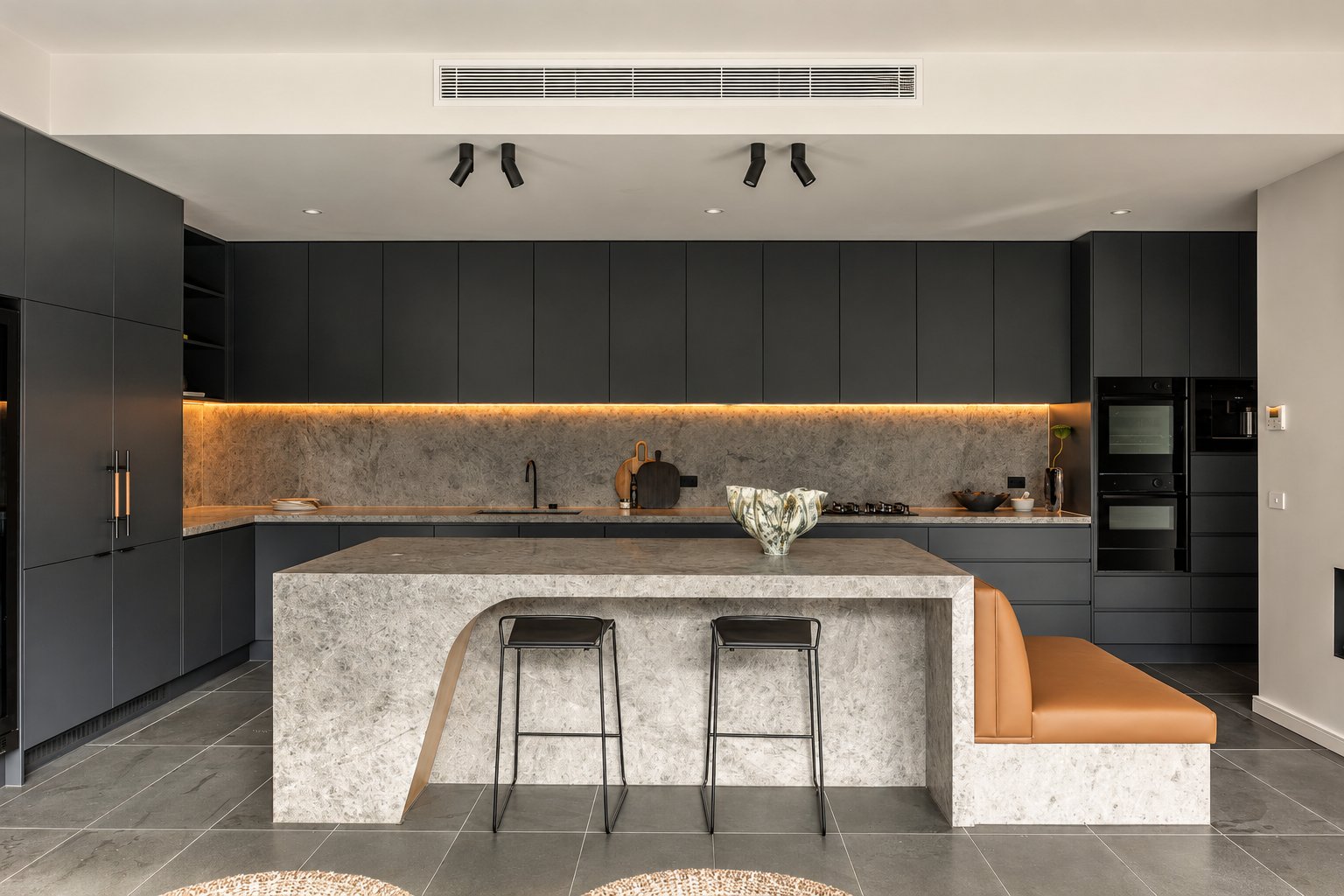
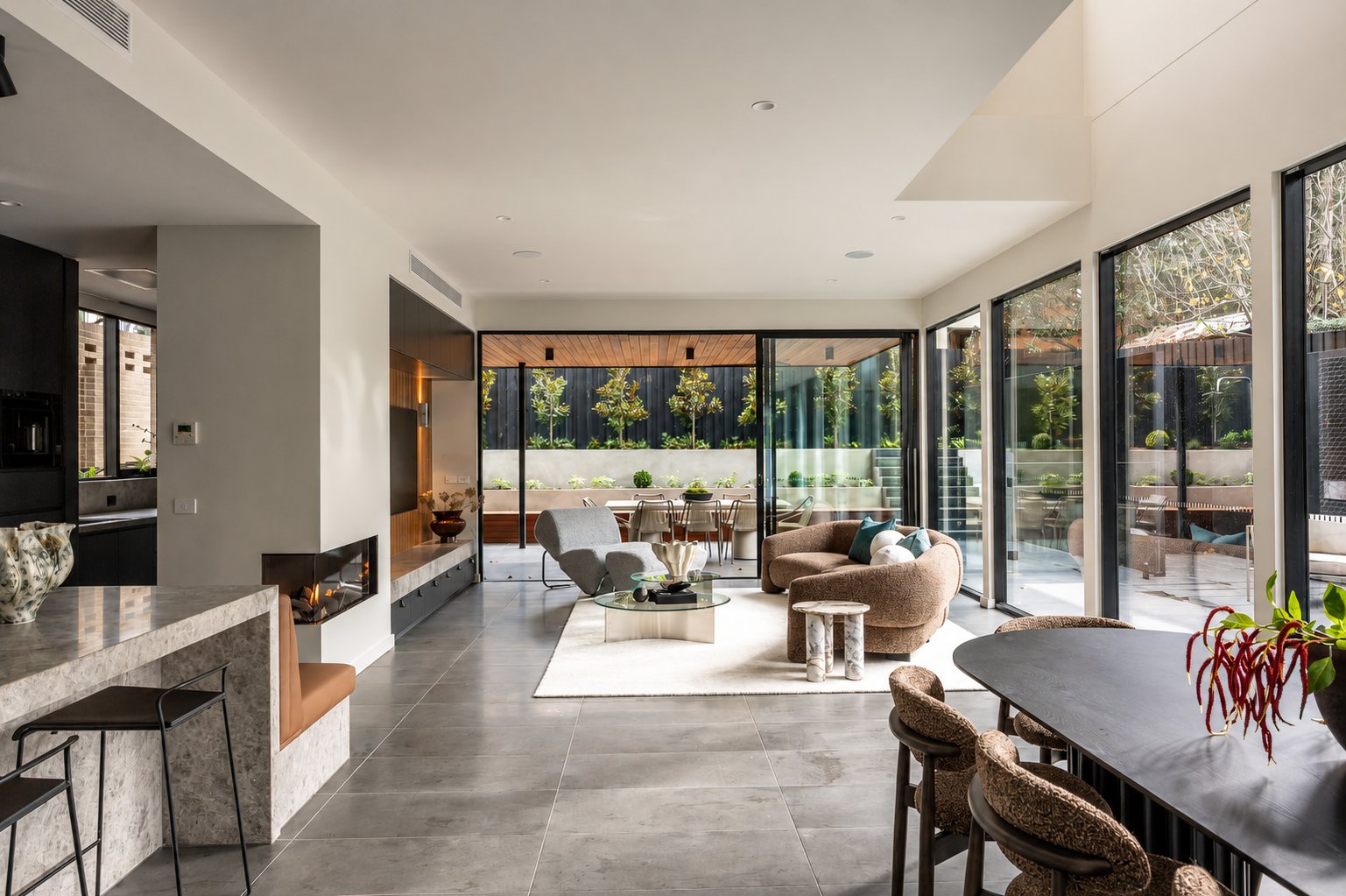
With linings complete, the fix-out trades return. Cabinetry and joinery are installed. Doors are hung. Painting is completed. Electrical and plumbing fixtures are connected. Flooring is installed. This is when the home begins to look like the renders and decisions you made many months ago, one of the most satisfying phases of the build.
Stage 8: Practical Completion and Handover (1–2 weeks)
The Certificate of Occupancy is obtained. A pre-handover inspection is conducted with the client to identify any defects for rectification. Once defects are addressed, the home is handed over, keys, warranties, manuals, and compliance certificates included. Your home is complete.
Total Programme
From design commencement to handover, a knockdown rebuild in Melbourne typically takes 18–30 months, longer if planning permits are required. Varcon's project managers provide clients with a detailed programme at contract stage, with regular updates throughout the build. Transparency about timelines is a fundamental part of how we work.